
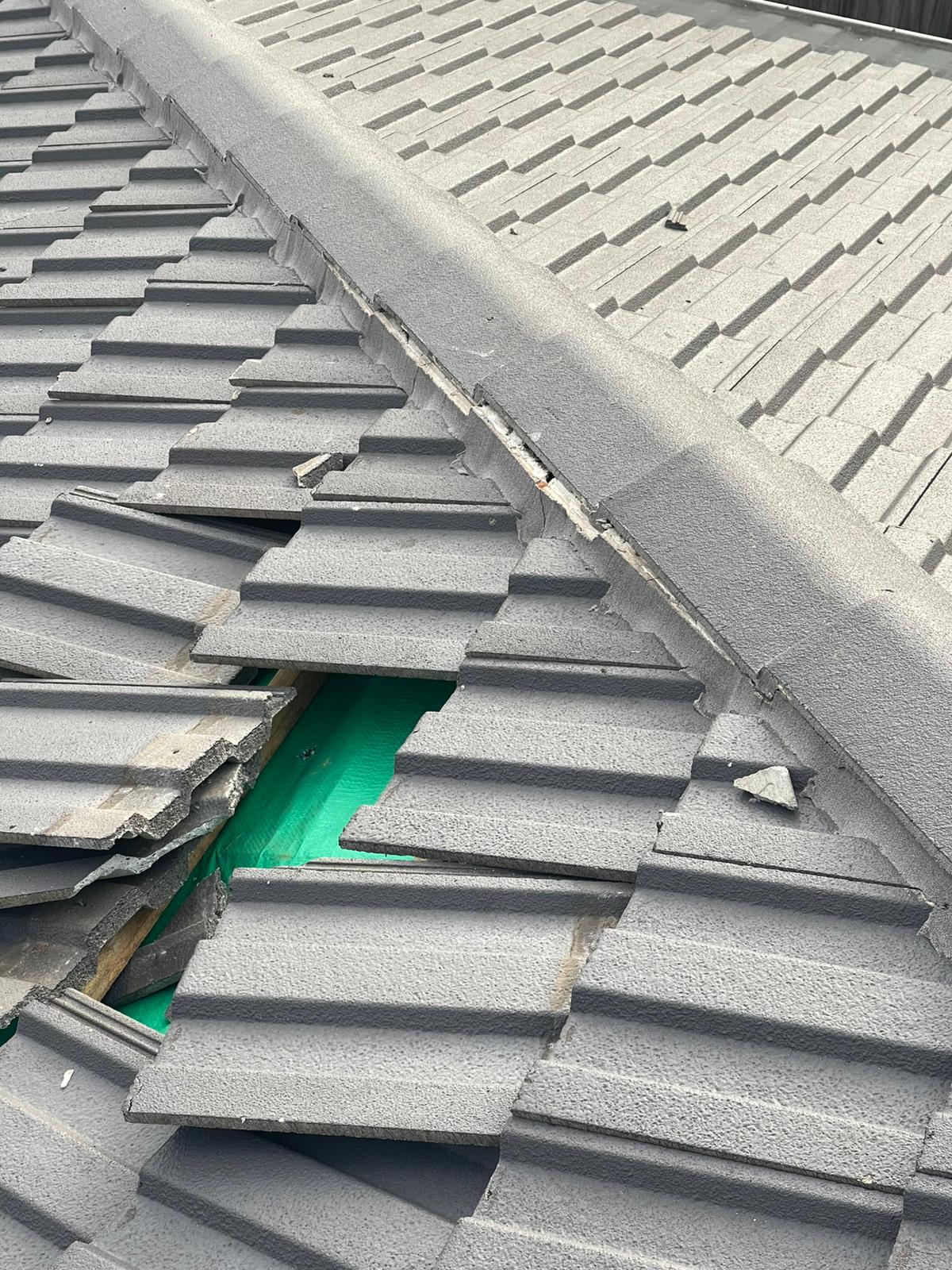
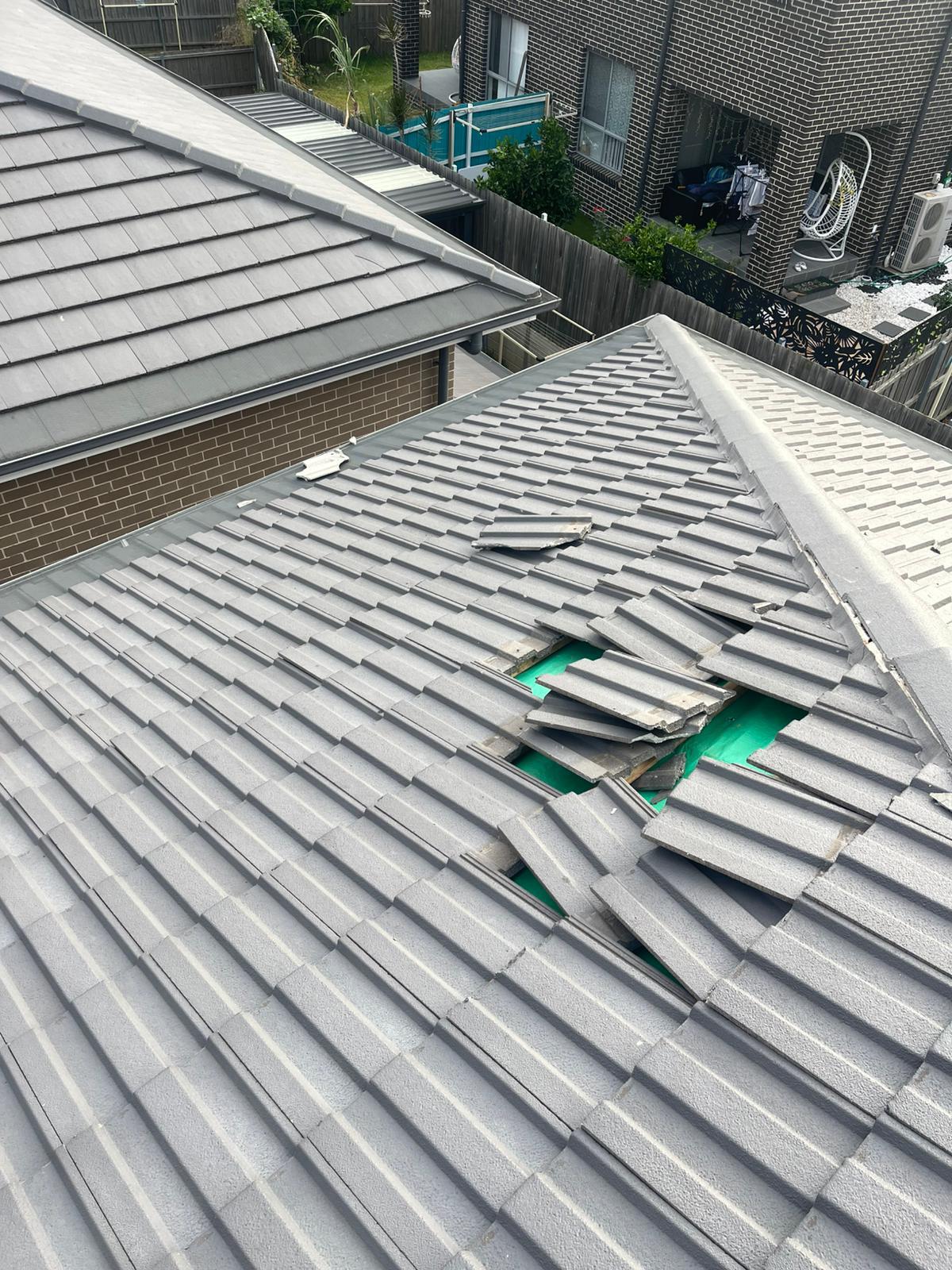
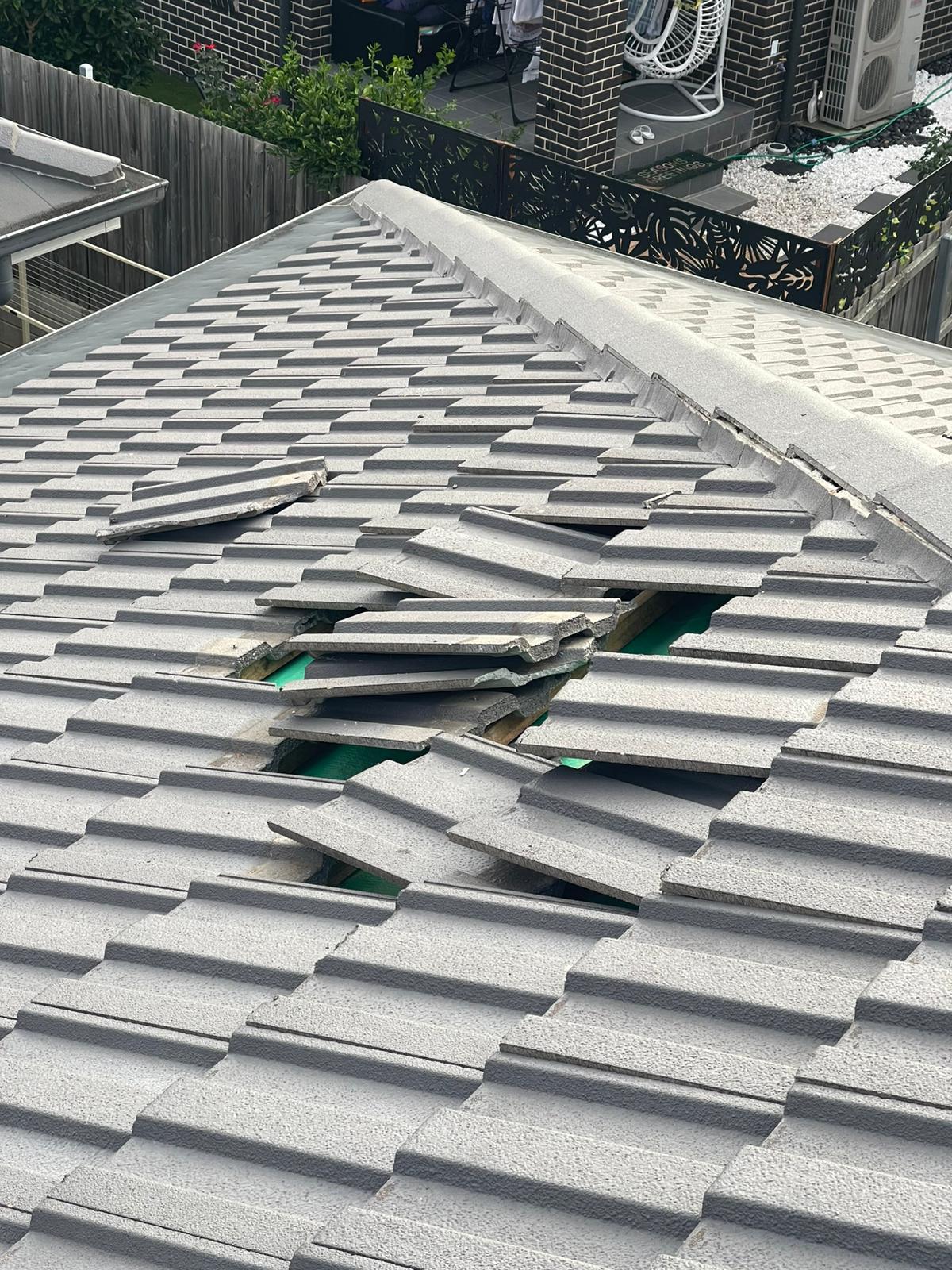
The extreme weather conditions, especially heavy windstorms, may leave homeowners and property managers with massive roof damage. Broken tiles are one of the most typical effects of high-velocity winds, and they may jeopardize the integrity of your roof, causing the leakage of water, and leading to future problems if prompt resolutions are not performed.
It is important to know the reasons, symptoms, methods of repair and safety measures that can protect your home or business premises.
This guide will discuss the process of locating the damage on the roof, examining the roofing materials and making wise judgments on the repairs, maintenance, and professional roofing services.
Common Causes of Roof Leaks and Damage
Windstorm damage to the roof is primarily caused by the strong movement and displacement of roofing tiles. Strong winds can tear, break or even move tiles, exposing the roofing membrane.
The wind-carried debris may also poke holes or scratch surfaces, and deterioration may occur faster. Also, incorrect roofing or old roofing could be more prone to storm damage.
Additional causes might be improper flashing, blocked gutters, and extended time in contact with moisture, which may cause weak roofs and predispose them to leaks. Early identification of these causes can ensure that the small problems are reduced to the level of expensive repairs or replacement.
Signs You Need Roof Repair or Replacement
Early detection of damage is imperative to reduce the cost of repair and prevent damage of interior water. The most important signs of roof problems that have been caused by storms include a lack of or broken tiles, loss of granules on shingles, overhanging spots, watermarks on ceilings or walls, and observable cracks in roofing.
Roof leakages can be in the form of wet areas, mould, or constant dripping in the rainy season. A qualified roof inspection can reveal the unreliable damage that might not be visible at first glance, and thus, residential and commercial buildings have timely measures taken on them. Timely repair of the roof not only reinstates protection but also ensures the preservation of the value and integrity of the property.
Types of Roofing Materials and Their Lifespan
The selection of the appropriate roofing material is essential and is important in terms of durability, weatherability, and cost-effectiveness in the long run. They are usually asphalt shingles, clay or concrete tiles, metal roofing, and slate.
Asphalt shingles have a lifespan of 20 to 30 years, depending on the maintenance, whereas clay and concrete tiles can last 50 years and above or longer when well maintained.
The metal roofs have outstanding wind resistance and life span, which extends up to 40 years, whereas slate is very well known in terms of longevity and beauty. Knowing the life span and maintenance of the respective material assists property owners in deciding wisely on the type of repair, replacement, and preventive actions.
Hiring Professional Roofing Contractors
To have a successful and safe post-windstorm repair, it is necessary to hire professional roofing contractors. Professional roofers are good at giving expert evaluations, good repair estimates, and the high quality installation using the right roofing material. They can perform complicated work like the replacement of tiles, structural reinforcement, and emergency roofing.
Licensed and insured roofing contractors also facilitate insurance claim of roof damage so as to provide the property owners with the coverage they warrant. In terms of commercial and residential work, the collaboration with reputable roofing experts will ensure durability and comfort.
Cost Estimates and Insurance Coverage for Roof Repairs
The cost of repairing the roof varies depending on the level of damage, the type of roof materials, and the workload. Tile replacement in small-scale projects requires a few hundred to a few thousand dollars, but in the case of a large property, it can cost over 10,000 to replace the entire roof.
Homeowners are encouraged to be cautious enough in documenting, photographing, and taking contractor reports in order to claim insurance against the storm damage.
The damage of windstorm is also prone to numerous policies with deductibles and limits of coverage. It can be simplified by employing professional roofers to collaborate with in order to ensure that the insurance process is simplified and that the costs of the repairs are adequately estimated to allow the property owners to make cost-effective decisions without necessarily compromising on quality.
Preventive Maintenance and Weatherproofing Tips
The best plan to combat windstorm losses is regular maintenance of the roof. Roof life can be extended by cleaning gutters, checking on the flashing, and replacing old or broken tiles.
Treatment with weatherproofing makes it resistant to water penetration and wind uplift. Professional roofers can conduct inspections of the roofs seasonally to identify the weak areas before the arrival of storms and minimize the risk of emergency repairs.
The owners of the property also need to reinforce some of the weak areas, eaves, ridges, and cut off overgrowing tree branches to avoid destruction of property by debris. With proactive maintenance, the structural stability and beauty of residential and commercial roofs are maintained.
DIY vs Professional Roof Solutions
Whereas you can do simple repairs (like changing a single tile or cleaning up messes) by hiring an expert home owner, the significant harm brought about by windstorms normally demands expert assistance. Home-created solutions might be economical initially, but can be dangerous and offer incomplete solutions that deteriorate as time goes by.
Certified roofing companies come with the equipment, skills, and safety measures to address the complicated roof repairs, replacement and inspections. Professional services are an investment with high-quality output, adherence to building laws, and a long term security of your property.
Frequently Asked Question
1. What causes tiles to get damaged during a heavy windstorm?
Heavy windstorms produce strong gusts that can lift, shift, or crack tiles, especially if they are old, improperly installed, or made of brittle materials. Flying debris carried by the wind can also hit and break tiles, leading to cracks or complete detachment. Water infiltration during storms can further weaken tiles from beneath.
2. How can I identify if my tiles are damaged after a storm?
Check for visible cracks, chips, or missing tiles. Listen for unusual sounds when walking on tiled floors, as loose tiles can sound hollow. Inspect areas around roof edges, gutters, and skylights, as these are high-risk zones. Water leaks or damp spots indoors may indicate damaged roof tiles.
3. Are all types of tiles equally vulnerable to windstorm damage?
No. Ceramic and clay tiles are more brittle and prone to cracking under impact or wind uplift. Concrete tiles are heavier and more durable but can still chip or shift. Slate and natural stone tiles are very strong but can break if hit by debris. Flexible roofing tiles or interlocking designs resist wind damage better.
4. Can damaged tiles pose a safety risk?
Yes. Loose or broken tiles can fall and injure people or pets. On roofs, they may allow water penetration, leading to structural damage or mold growth inside the building. On floors, cracked tiles can create tripping hazards. Immediate repair or replacement is recommended.
5. How soon should I inspect my tiles after a windstorm?
Ideally, inspect tiles as soon as it is safe after the storm passes. Roof inspections may require professional help to avoid accidents. Early detection helps prevent further damage from water infiltration or worsening cracks.
6. Can I repair damaged tiles myself, or should I hire a professional?
Small cracks or minor chips in floor tiles can sometimes be repaired with epoxy or tile fillers. Roof tile repairs or replacement usually require a professional due to safety risks and the need for proper sealing to prevent leaks. Professionals can also ensure tiles are correctly realigned and secured.
7. How much does it typically cost to repair or replace storm-damaged tiles?
Costs vary by tile type, area, and severity of damage:
-
Floor tiles: Minor repairs $10–$50 per tile; full replacement $30–$100 per tile.
-
Roof tiles: $100–$500 for minor repair; full roof tile replacement can run $1,000–$5,000 depending on size and material.
Insurance may cover storm-related damage.
8. Can insurance cover tile damage from windstorms?
Most homeowner insurance policies cover windstorm damage, including tiles, if it results in structural or water damage. It’s important to document the damage with photos, keep receipts for repairs, and contact your insurer promptly.
9. How can I prevent windstorm damage to tiles in the future?
-
Ensure tiles are properly installed with the correct adhesive or interlocking methods.
-
Inspect and maintain roofs regularly, replacing weakened or loose tiles.
-
Install wind-resistant or reinforced tiles in areas prone to storms.
-
Trim nearby trees to reduce the risk of debris striking tiles.
10. What should I do immediately after noticing storm damage?
-
Take photos of all damage for insurance purposes.
-
Cover broken roof tiles temporarily with tarps to prevent water infiltration.
-
Avoid walking on loose or cracked tiles to prevent injury.
-
Contact a professional roofer or tile repair service for assessment and permanent repairs.
Conclusion
Severe winds have the power to cause significant damage to the roofing tiles, affecting the safety, comfort, and property value. Leaks, strategic maintenance, and professional repair should be identified as fast as possible to avoid the expensive outcomes.
In the case of minor tile displacement, as well as massive storm damage, employing skilled roofing contractors is a sure way to get solutions and well-coordinated insurance claim assistance.
It is essential to preserve your investment by having a professional roof check-up. There is no need to wait till a minor problem escalates into a major fix. Contact depended on seasoned roofing professionals to repair and protect your roof so that you can rest easy in the future.
